
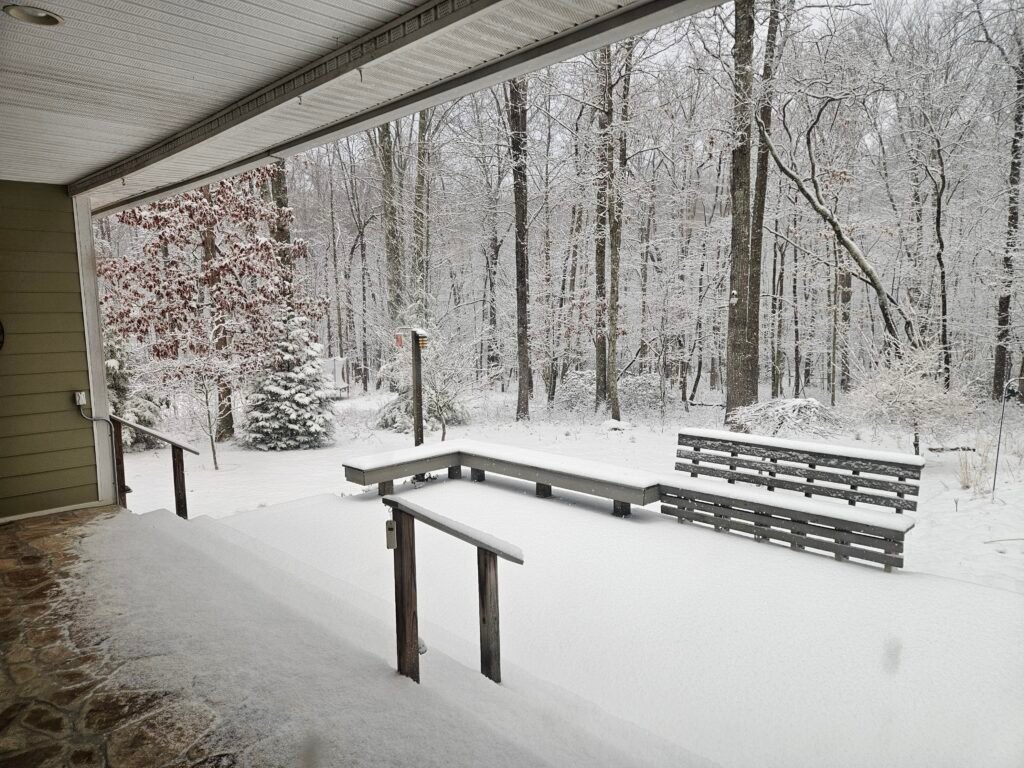
Sometimes going outside in winter really isn’t worth the risk—especially when snow and ice turn every step into a potential fall for older adults. This article helps seniors and families decide when to bundle up and head out and when to wisely stay inside.
Do you really need to go?
Winter can be beautiful, but it’s also one of the most dangerous seasons for older adults, and the winter fall risk for seniors increases sharply when snow and ice are present. Snow, ice, and slush make sidewalks unpredictable, and a single fall can lead to broken bones, hospital stays, and a long recovery. Even a “small” slip can shake a senior’s confidence and make them nervous about moving around their own home.
It’s important to remember: choosing safety over one more errand or social event is not being weak or lazy. It’s being smart. On certain days, the safest decision a senior can make is to look out the window, enjoy the snow from indoors, and stay warm and steady at home.
Why Snow and Ice Are So Risky for Seniors
As we age, our bodies simply don’t bounce back from falls the way they used to, and older adults are more likely to fall in winter due to slippery surfaces, weaker balance, and slower reaction time. That means icy sidewalks that a younger person might “catch themselves” on can be truly dangerous for an older adult.
Snow can hide slick patches of ice underneath, so what looks like soft, crunchy ground may actually be a sheet of ice waiting to steal your footing. Uneven plowing, refreezing at night, and poorly salted steps all add to the risk. For seniors who already use a cane or walker, those devices can also slip, making it even harder to stay upright.
When It’s Safer to Stay Inside
There are days when the safest choice is to say, “I’m not going out today.” That can feel frustrating, but it’s a lot better than a broken hip.
It may be wise to stay home when:
• Temperatures are below freezing and there was recent snow, sleet, or freezing rain.
• Local news, friends, or neighbors mention very slick roads or icy sidewalks.
• Your driveway, porch, or steps have not been shoveled or salted yet.
On those days, see if you can reschedule appointments, ask a friend or family member to run errands, or use delivery services for groceries and medications. Many pharmacies and stores now offer home delivery options, which greatly reduce the need to navigate slippery parking lots.
If You Must Go Out: Simple “Anti Slip” Strategies
Of course, sometimes staying inside simply isn’t possible—maybe there’s a medical appointment you can’t move or a caregiving duty you must handle. When you must go out, a few simple habits can lower the risk of slipping.
First, footwear matters a lot. Sturdy boots or shoes with non slip, rubber soles and good tread can grip icy or slushy surfaces better than smooth, worn down shoes. If possible, avoid high heels, slick leather soles, or loose slippers when going outdoors.
Second, think about your walking style. Take slower, shorter steps, and keep your center of gravity slightly forward, almost like you are shuffling like a penguin. Keep your hands out of your pockets so you can use your arms to balance, and always use railings when available.
Helpful Accessories for Winter Walking
There are also a few simple tools that can help seniors stay steadier outdoors in winter.
Ice grips or cleats that slip over shoes or boots can improve traction on snow and ice. For those who use canes, there are cane attachments with small metal spikes that can flip down for icy conditions and flip up when back indoors.
A sturdy walking stick or trekking pole can also provide extra support, especially on uneven ground. Reflective clothing or accessories make it easier for drivers to see you early in the morning or late in the afternoon when winter daylight is limited.
Making Indoors Safer on Snowy Days
Winter safety isn’t just about the sidewalk outside. Snow and slush tracked inside can create slick spots on tile or hardwood floors.
Placing absorbent mats both outside and inside the front door helps catch water and snow from shoes. Having a sturdy chair or bench near the entrance gives you a place to sit while taking off boots so you’re not balancing on one leg. Keeping pathways clear of clutter, cords, and loose rugs reduces the chance of tripping once you’re safely inside.
Listening to Your Gut About Risk
One of the most powerful winter safety tools a senior has is their own intuition. If you look outside, see snow and ice, and get that uneasy feeling about going out, it’s worth paying attention to it. Your health, mobility, and confidence are far more valuable than any errand or minor appointment.
Talking openly with family, friends, or caregivers about winter safety plans can help everyone feel more prepared. Decide in advance what conditions mean staying home, who to call for help with snow removal, and how to handle deliveries and rides when the weather turns bad.