How I Realized I Was Dehydrated in My 60s and What Helped
I did not think dehydration applied to me.
I was not outside in the heat. I was not exercising heavily. I was just at home living my normal routine. Coffee in the morning. A light lunch. A little television. Maybe a short walk.
But I kept feeling off.
Not sick. Not dramatic. Just tired in a way that felt heavier than it should. Some afternoons I felt foggy. Some days I felt weaker than normal.
When my daughter asked how much water I was drinking, I did not have an answer.
That was the problem.
Why Hydration Gets Harder as We Age
As we get older, our sense of thirst changes. We may not feel thirsty even when our body needs fluids.
We also tend to eat a little less. That matters because some hydration comes from food. When appetite shifts, fluid intake can drop without us noticing.
For me, I also drank less on purpose because I did not want to be up all night using the bathroom. I thought I was being practical. Instead, I was slowly falling behind.
Hydration for seniors is not about drinking extreme amounts of water. It is about consistency. Small amounts throughout the day.
The Small Change That Made a Difference
My daughter did not lecture me. She made it easier.
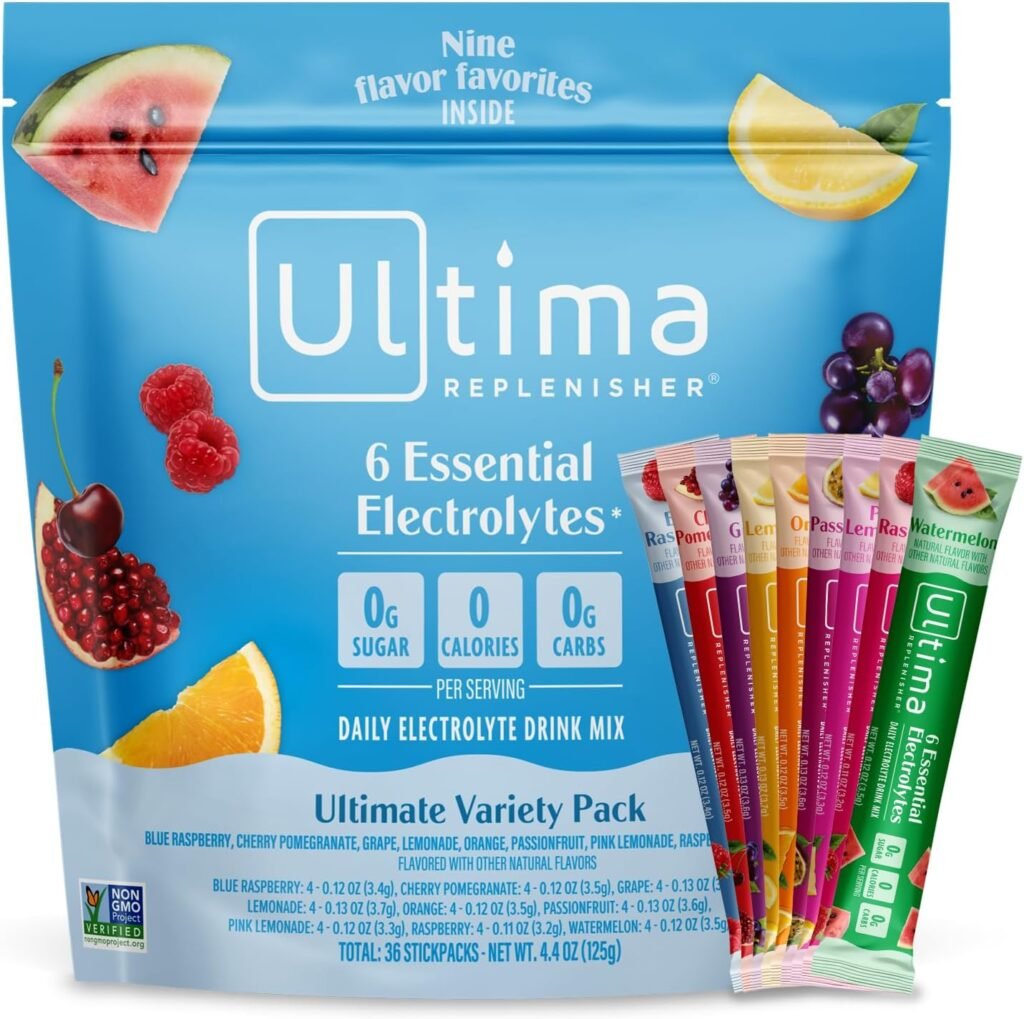
She started keeping a water bottle next to my chair. She added a light electrolyte drink mix so it did not taste plain or boring.
That was the shift.
She found Ultima Replenisher electrolyte drink mix, which has zero sugar and a very light flavor. It includes electrolytes like magnesium and potassium, which support fluid balance in the body.
If you are curious, this is the one she ordered.
It comes in small packets. You mix one into water and that is it.
No heavy taste. No syrup feeling. Just enough flavor that I actually drank it.
What Are Electrolytes and Why Do They Matter
Electrolytes are minerals that help the body manage fluids and maintain balance. When we sweat, take certain medications, or simply do not drink enough, those levels can shift.
Adding electrolytes is not about replacing meals or taking supplements. It is simply one way to make hydration more effective and more appealing.
For me, the bigger benefit was this:
It made drinking water easier.
And when something is easier, you actually do it.
What I Noticed After Being More Consistent
Within a couple of weeks, I felt steadier.
My afternoon fatigue was not as heavy. I felt clearer. Not dramatically different. Just more stable.
I paired my water with routines. One bottle before lunch. One bottle during the evening news.
It became habit instead of effort.
Hydration and nutrition go together. As we age, small habits matter more. We do not need complicated plans. We need steady support.
If you are helping aging parents build simple daily routines, that matters just as much as any big change. We talk often on Smart Living Senior about small habits that support healthy aging, because those quiet changes are usually the ones that last.
Final Thoughts on Staying Hydrated as We Age
I did not need a medical plan.
I needed awareness and something simple that worked for me.
Hydration is not dramatic. It is foundational. When you ignore it, you feel it. When you support it consistently, you feel steadier.
For me, adding a clean electrolyte option made that consistency easier.
And sometimes that is all it takes.
As an Amazon Associate I earn from qualifying purchases. It wont cost you a thing, it just helps us keep the lights on. Thanks. – Samantha