
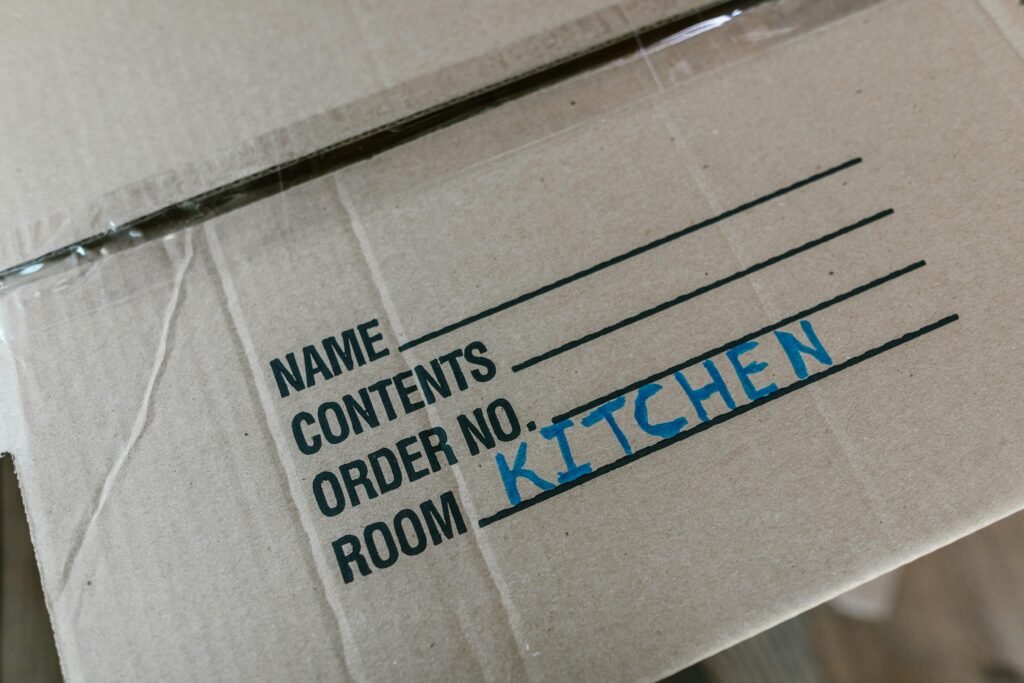
Helping your parents downsize is one of those adult milestones nobody prepares you for. One day you are the kid in the hallway with growth marks on the wall. The next day you are the one looking at the stairs thinking, these are not safe anymore.
If you are searching for how to help aging parents downsize, you are probably carrying two things at once. Love and pressure. You want them safe. You do not want to push them. You are trying to protect their independence while quietly noticing that the house is becoming too much.
Downsizing for seniors is not just about moving. It is about identity, safety, money, and dignity all wrapped together.
Let’s talk about how to handle it the right way.
What Does Downsizing for Seniors Actually Mean
Before anything else, define the term clearly.
Downsizing simply means moving to a smaller, easier to manage home. That could mean:
• Selling a large family house
• Moving into a condo with no yard work
• Relocating closer to adult children
• Transitioning into assisted living
Assisted living means housing that offers support with daily needs such as meals, medication reminders, and basic care while still allowing independence.
For many parents, the current home represents decades of work and sacrifice. So when you suggest downsizing, they may hear something very different. They may hear that their independence is ending.
That is why this conversation has to start slowly.
How to Talk to Your Parents About Downsizing
One of the most searched questions online is how to start the downsizing conversation. The answer is not with a checklist.
Start with concern, not control.
Instead of saying, “This house is too much for you,” try asking, “What feels hardest about keeping up with the house now?”
Safety concerns such as stairs, yard maintenance, or frequent repairs are often the real drivers. But let them say it. When parents feel heard, they resist less.
Do not argue if they push back. This is not a negotiation to win. It is a transition to guide.
When you approach the conversation with respect, you protect the relationship first.
Create a Downsizing Plan That Reduces Stress
Once the decision is moving forward, structure becomes your best friend.
Start by understanding the size of the new space. Measure rooms and doorways. Knowing what physically fits removes emotional arguments about oversized furniture.
Work room by room. Do not attempt the entire house at once. Limit sorting sessions to two hours to prevent fatigue.
Use four simple categories:
Keep
Pass down to family
Donate or sell
Discard
This becomes your downsizing checklist for seniors. Simple structure reduces overwhelm.
If siblings are involved, communicate early and clearly. Downsizing can quickly stir up old family dynamics. Transparency avoids resentment later.
How to Handle Sentimental Items When Helping Parents Downsize
This is where emotions peak.
You may see clutter. They see stories.
The dining table held holidays. The recliner held nightly routines. The old tool bench might represent years of work.
Instead of saying, “You do not need this,” ask, “Do you want this in your next place?”
That small wording shift preserves dignity.
If an item cannot move but holds emotional weight, take a photo of it. Create a small memory album. The object may not travel, but the story can.
And when stories come up, let them. Storytelling is not delay. It is processing.
What Happens After Your Parents Downsize
Many adult children focus only on the move. The emotional adjustment afterward is just as important.
After the move, there can be quiet grief. Even if the new home is safer and easier, something significant has ended.Help recreate familiarity quickly. Hang photos. Arrange furniture in a similar layout. Keep routines such as morning coffee in the same chair. Downsizing should reduce stress, not reduce purpose.
Make sure that you talk to them about making new friends, social events, church or whatever will make sure they stay social.
Protect Their Dignity Throughout the Process
This may be the most important principle.
Do not talk over them.
Do not make decisions without them.
Do not treat them like children.
Even if you are managing paperwork and movers, they are still in charge of their life.
Your role is support. Not replacement.
When dignity stays intact, trust stays intact.
Final Thoughts on Helping Aging Parents Downsize
Helping your parents downsize is not about clearing out a house. It is about guiding them into a safer, more manageable chapter without stripping away their history.
There may be tension. There may be tears. There may be moments of guilt on both sides.
But when handled with patience, structure, and respect, this process can actually strengthen your bond.
You are not taking something away.
You are helping them carry what matters into the next season safely.
And that is one of the most meaningful roles an adult child can play.